Terrific Tools for the Unique Mind: How Does ADHD Influence Executive Functioning?
Inside: ADHD greatly impacts a person's executive functioning system. Assistive technology can help support the areas where the individual is struggling.
Why do you always take the time to color-code things?
Why do you have to have your paperwork sitting out on your desk in plain sight?
Why do you set timers for everything?
If you have ADHD, the answer to these questions is likely obvious. Because without them, you would forget what you need to do, lose track of items, and even lose track of time!
These strategies and assistive technology tools allow you to function and stay on top of everything in your day-to-day life—or at least help you get closer to staying on top of everything.
Living with ADHD (Attention Deficit Hyperactivity Disorder) can present unique challenges when it comes to executive function in particular.
Executive function is a term referring to a set of cognitive processes that help us manage ourselves and our resources to achieve goals.
In simple terms, executive function is how we get together to do the things we need to do.
Understanding how ADHD and executive function interact can shed light on the struggles many individuals face and highlight the potential of assistive technology to make a significant difference in their lives.
Table of Contents
Interaction Between ADHD and Executive Function
Assistive Technology for Executive Functioning Deficits and ADHD
Understanding ADHD
ADHD is a neurodevelopmental disorder characterized by symptoms of inattention, hyperactivity, and impulsivity. People of all ages are affected, though symptoms often start in childhood.
Three types of ADHD are recognized in large:
Inattentive: Difficulty sustaining attention, following through on tasks, and organizing activities.
Hyperactive-Impulsive: Fidgeting, restlessness, excessive talking, and difficulty waiting turns.
Combined: Symptoms of both inattentive and hyperactive-impulsive types.
ADHD impacts daily life, from academic and occupational challenges to social and emotional difficulties, and it requires comprehensive management strategies to improve quality of life.
What is Executive Function?
Executive function encompasses a range of mental skills essential for managing everyday tasks. Key components include:
Attention Regulation: The ability to direct and maintain focus on relevant information.
Working Memory: Holding and manipulating information in mind over short periods.
Cognitive Flexibility: Adjusting to new information and shifting between tasks.
Inhibitory Control: Resisting impulses and controlling attention.

These skills are crucial for:
Planning
Organizing
Strategizing
Paying attention to and remembering details
Managing time and space
Deficits in executive function can stifle one’s ability to function with purpose in everyday life.
Interaction Between ADHD and Executive Function
ADHD often involves significant impairments in executive function.
For example:

Impaired Working Memory: Difficulty remembering instructions or details.
For example, starting a recipe and realizing halfway through that you’ve forgotten the first steps.
Task Initiation and Completion Challenges: Procrastination or difficulty starting and finishing tasks.
Picture sitting down to write a paper but spending an hour rearranging your desk instead.
Organizational and Planning Difficulties: Struggles with keeping track of belongings, time management, and planning ahead.
Imagine searching for your car keys every morning because they somehow ended up in the fridge.
These deficits manifest in various real-life scenarios, such as
Forgetting appointments
Losing important items
Struggling with deadlines
Experiencing difficulty in maintaining organized spaces.
Assistive Technology for Executive Functioning Deficits and ADHD
Assistive technology refers to tools and devices designed to aid individuals in performing functions that might otherwise be difficult or impossible. For those with ADHD, these technologies can be game-changers. [Learn more about Assistive Technology]
While there are many tools available, here is a starting point for you to begin exploring:
Task Management Apps
Todoist: Helps organize tasks and projects with deadlines and reminders.
Trello: Visual project management tool using boards, lists, and cards.
Time Management Tools
Time Timer: Visual timer to help manage time and improve focus.
Pomodoro Apps: Break tasks into intervals with breaks, enhancing productivity.
Note-Taking Apps
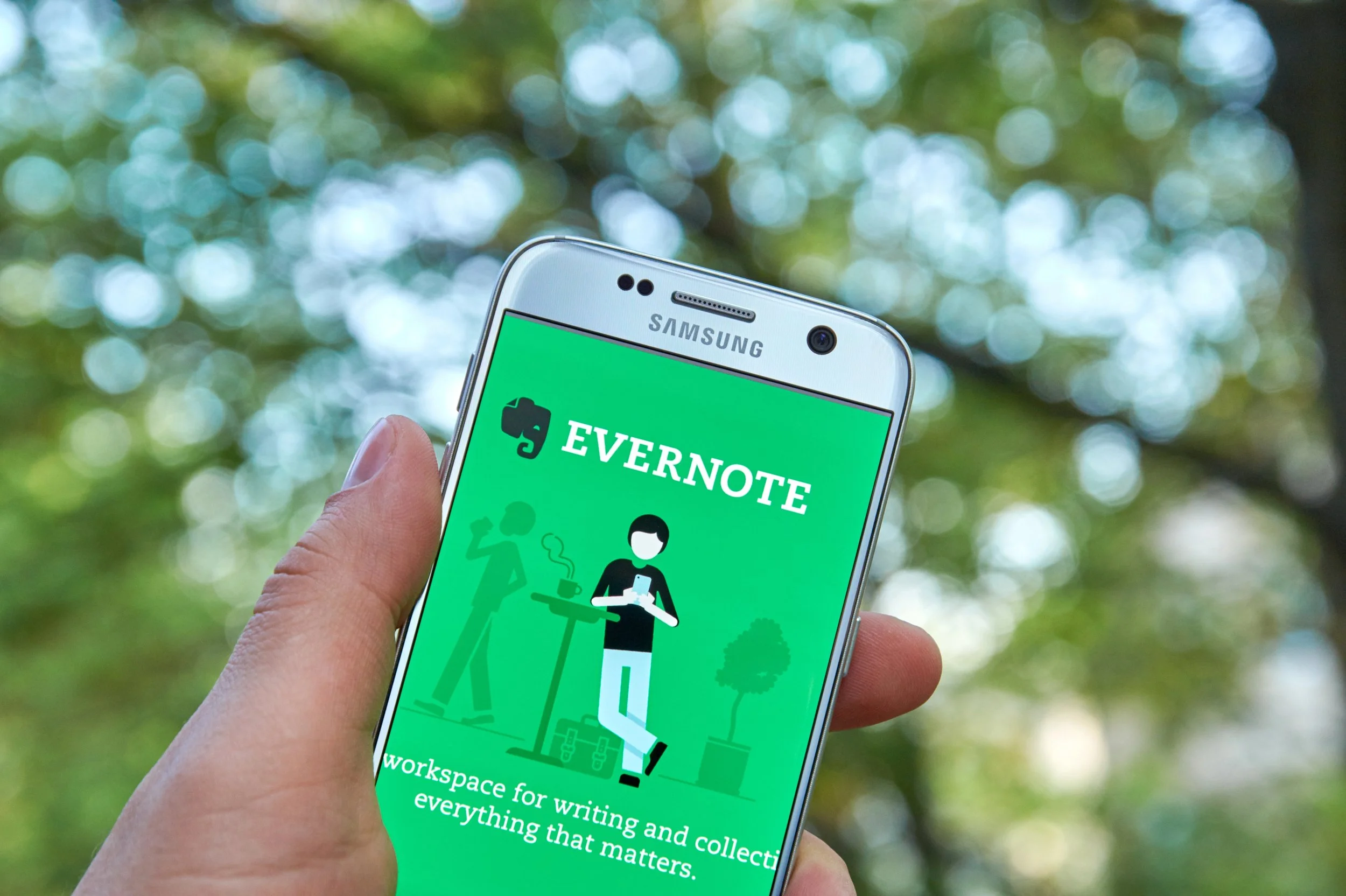
Evernote: Organizes notes, tasks, and schedules in one place.
OneNote: Digital notebook for capturing ideas and information.
Organizational Tools
Digital Calendars: Sync schedules across devices, set reminders, and plan ahead.
Reminder Apps: Notify users of tasks and appointments.
Choosing the Right Assistive Technology
Selecting the appropriate assistive technology depends on individual needs and preferences. Consider the following factors:
Ease of Use and Accessibility: Choose user-friendly tools.
Compatibility: Ensure tools are compatible with existing devices.
For different age groups:
Children: Simple, colorful apps to engage and aid learning.
Teenagers: Tools integrating with schoolwork and social activities.
Adults: Professional tools that assist with work and home management.

Integrating technology into regular routines can be seamless with consistency and practice.
Next steps
If you or someone you know is struggling with executive functioning and ADHD, it is important to remember the tools selected must work with each individual's particular preferences and processing style. And this may change from day to day or week to week.
For example, some days, a digital planner/calendar works wonders for me. I can organize everything and stay on top of my day with little effort. However, over the years, there have been times when this absolutely has not been the case, and I have had to switch to a paper planner/calendar for a period of time because it was what was working better at the time. [Learn more about low tech options for Assistive Technology here]
When considering assistive technology, listen to what makes the most sense to the person with ADHD because what works for one person may not work at all for another.
Conclusion
Understanding the relationship between ADHD and executive function is crucial in addressing the challenges faced by individuals with ADHD. Assistive technology offers practical solutions to improve focus, organization, and time management, altogether enhancing quality of life.
Frequently Asked Questions (FAQ)
Q: Can assistive technology replace other ADHD management strategies?
A: Assistive technology complements, rather than replaces, other strategies.
Q: Are these tools effective for children?
A: Yes, many tools are designed with children in mind, offering engaging and age-appropriate interfaces.
Q: How do I start using assistive technology for ADHD?
A: Begin by identifying specific challenges (e.g., time management) and selecting tools that address those needs. Experiment to find what works best.
Q: Is assistive technology expensive?
A: Many tools have free versions or are low-cost. Premium options often offer advanced features but aren’t always necessary.
Q: Can assistive technology be used without a formal ADHD diagnosis?
A: Of course. These tools are helpful for anyone seeking to improve organization, focus, and productivity.