Low Tech, High Reward! How Simple Supports Can Make A Huge Impact
Inside: Learn about the differences between low-tech and high-tech assistive technology and when it is beneficial to consider low-tech assistive technology first.
Standing in the checkout line, three large packs of sticky-notes in hand, I hear a person behind me wondering out loud to her family about how many sticky-notes one person really needs.
Three large packs of sticky-notes may seem like a lot, but when it comes to assistive technology, sticky-notes are often the quiet super hero of tools. I simply smile while the cashier rings up sticky-notes, colored pens, highlighters, and a pool-noodle on its way to become a card holder. What looks like an office-supply run gone wrong, is in fact a bunch of items about to become assistive technology for the person I’m going to meet.
The word “technology” seems to always bring to mind things such as:
AI
fancy computers
all things powered
In reality, assistive technology covers a range of high, mid, and low-tech tools.
What is assistive technology and who does it help?
Table of Contents

Is This Assistive Tech?
Considering if an item is assistive technology can become a bit unclear when we start discussing low-tech or no-tech items such as sticky-notes. Many people use sticky-notes every day to:
Outline a project
Write a grocery list
Create a reminder on the bathroom mirror
Does this mean these people are all using assistive technology?
The answer to what makes an item assistive tech is unique because it goes beyond the item itself. When determining if any item is assistive technology, the purpose of the item is what is important.
Let’s look at two definitions of assistive technology:
Individuals with Disabilities Education Improvement Act (IDEA) defines assistive technology devices as “Assistive technology device means any item, piece of equipment, or product system, whether acquired commercially off the shelf, modified, or customized, that is used to increase, maintain, or improve the functional capabilities of a child with a disability. The term does not include a medical device that is surgically implanted, or the replacement of such device.”
The Federal Assistive Technology Act defines an assistive technology device as “any item, piece of equipment, or product system, whether acquired commercially, modified, or customized, that is used to increase, maintain, or improve functional capabilities of individuals with disabilities.”
These two definitions share numerous similarities.
One is focusing on students.
One is focusing on any individual with a disability.
The key feature of each of these when we’re considering if an item is assistive technology is the use and purpose of the item.
If an item is used to:
Increase
Maintain
Improve

The functional capabilities of a person with a disability, it is considered assistive technology.
Let’s go back to our sticky-note.
If a sticky-note is a convenience to help you remember things, it likely is not assistive technology. If the same sticky-note is used by a person with a disability affecting their memory to keep track of things they need to remember to do- it now is assistive technology.
This means almost any item can be assistive technology if it is being used by a person with a disability to increase, maintain, or improve their functional capabilities.
Low-Tech Assistive Technology
When considering tools that may help someone with a disability, it is important to consider all types of technology, both low-tech and high-tech.
Low-tech assistive technology items are also sometimes called no-tech because most do not include any power source such as a battery or plug in.
Examples of low-tech/no-tech items might include:

Sticky notes
Raised line paper
Pencil grips
Slant binders
Key holders
Jar openers
Many low-tech assistive tech tools are found in kitchens, for use by individuals with arthritis or dexterity issues. Non-slip cutting boards, jar openers, and rocking cutters are examples of most often used items that become assistive technology when used by someone with a disability.
Low-Tech, Mid-Tech, High-Tech
Sometimes when considering if an item is low-tech or high-tech there is a middle ‘gray’ area. In some instances, these items may be considered “mid-tech”. These items require some form of power source but are not always computer driven and do not use advanced technology.
| Technology Type | Qualities | Examples |
|---|---|---|
| Low-Tech | Typically do not require batteries or electricity | Sticky Notes Pencil Grips Page Holders |
| Mid-Tech | Typically digital devices that require some form of power source | Calculator E-reader Digital Magnifier |
| High-Tech | Typically computer-based or specialized power devices | Communication Device Speech to Text AI |
Changes over Time
When it is time to consider what tool is the best fit for someone, it is important to take into consideration the:
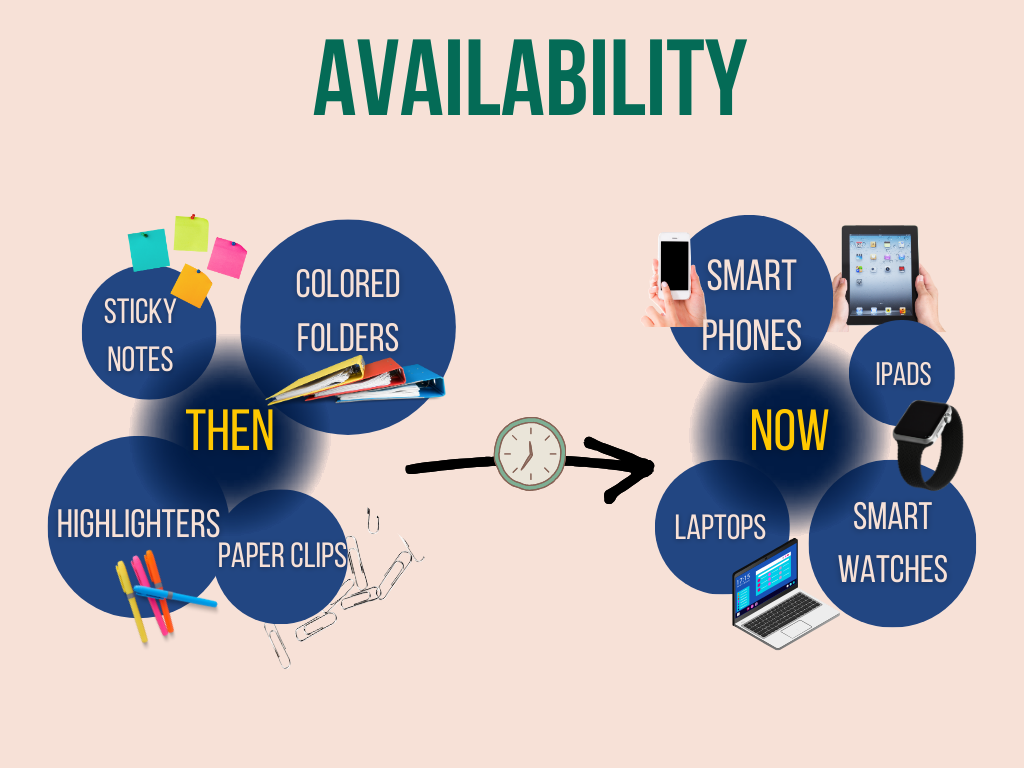
Availability- How available and easy to access is this item?
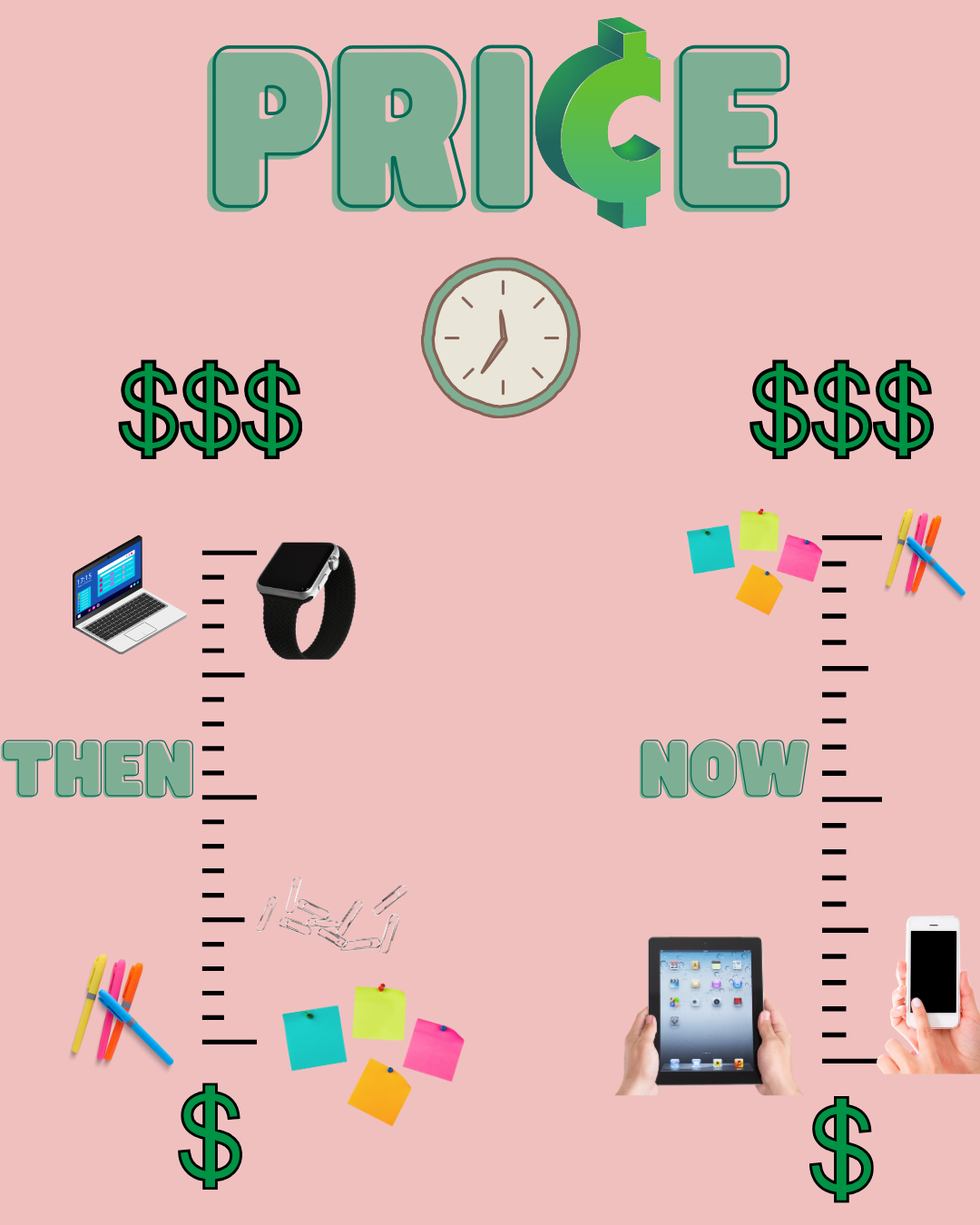
Price- What will be the cost to the user to obtain, maintain, and replace this item?
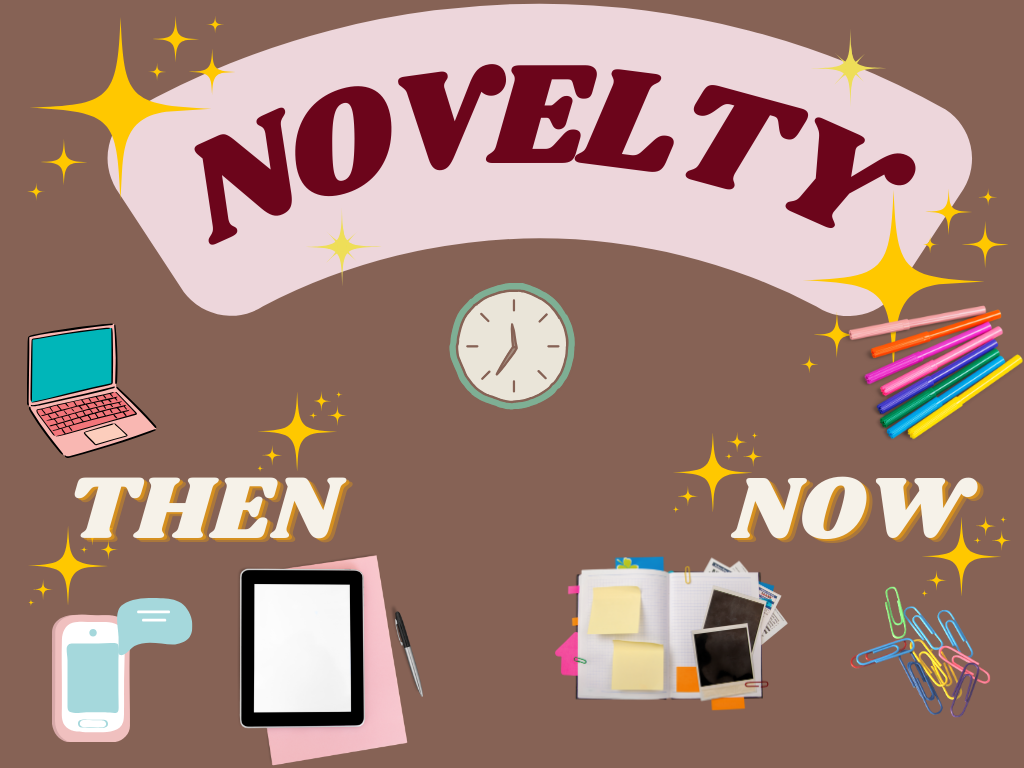
Motivation- How easy to use and engaging/novel is this item?
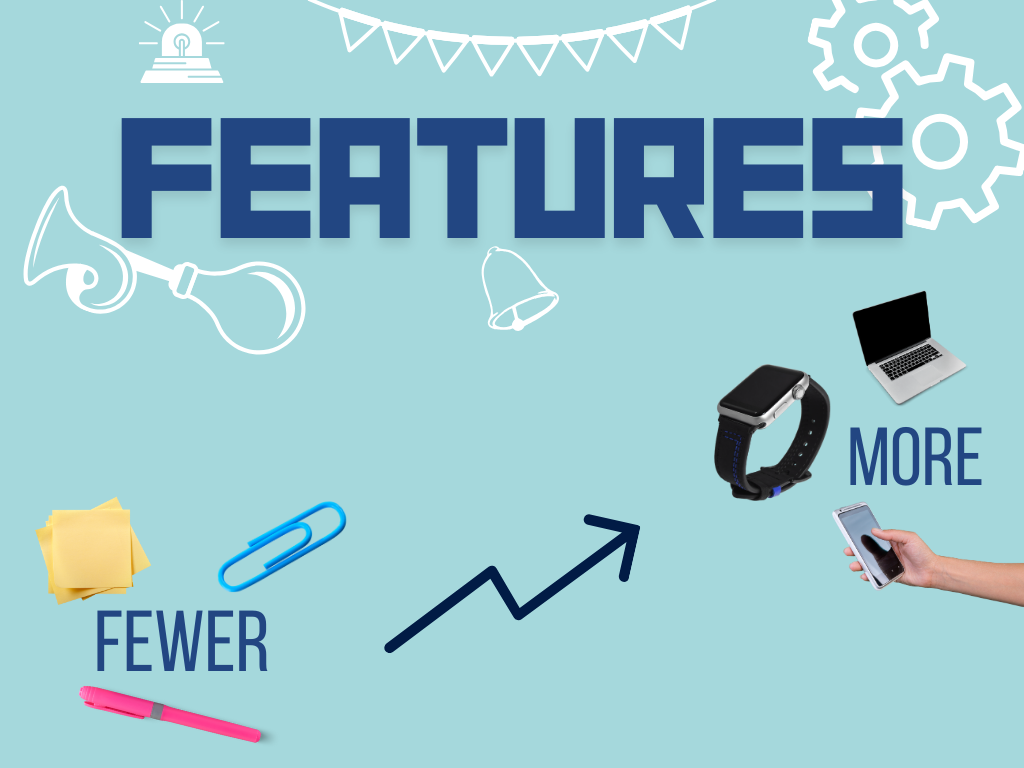
Features- What features are available to the user and can it serve multiple purposes?
Twenty or thirty years ago, these questions were easy to answer. Low-tech was more available and cheaper. High-tech was often more engaging and had more features.
However, over time some of these things have begun to change, and it is important to consider this change when you’re looking for assistive technology solutions.
Availability-
Twenty years ago, low-tech items were plentiful in every home and office.
Highlighters
Binders
Sticky notes
Paperclips
These items were accessible to just about anyone. Today, classrooms, homes, and offices have by and large moved to using digital content. With less paper being used, these low-tech tools are often not available.
Price-
Compared to twenty years ago, the price of a cell phone is still much higher than the price of a sticky note. However, today most people carry a cell phone with them everywhere they go. When we compare the price of adding a note to a device we already have with us, to the price of buying a pack of sticky notes, the sticky note ends up being an additional cost!
Motivation/Novelty-
Sometimes the motivation to use a new tool is important when we’re considering assistive technology. A user may not want to change how they have always done things, even if it is easier with the new assistive tech tool. An assistive device offering something new and engaging can be a way to encourage trying new things.
Twenty years ago high-tech tools were new, exciting, and for many-motivating.
Tablets
Smart Phones
Laptop computers
Now there are many students who rarely have had an opportunity to use sticky notes or highlighters.
Features-
When it comes to the variety of features available, twenty years has not changed much when it comes to the comparison of the number of features of low-tech vs. high-tech assistive technology.
Low-tech items still frequently fit one purpose and are not used for multiple things. High tech items, such as laptops or tablets can often be adjusted to fill multiple uses.
For example, one tablet may function as a:
Highlighter
Screen reader
Camera
Magnifier
Calendar
Reminder
Document storage
And those are a small selection of the hundreds of examples.
For someone who is feeling overwhelmed, the low-tech option may be a better option. For someone who works well with technology and has multiple needs, one high-tech device may fill many needs all at once.
Feature Matching
When we look at how much has changed over time and what makes an item assistive technology, it is easy to get overwhelmed by all of the options. If every item can be assistive technology, how do we pick what might work best?
This is where a concept called “feature matching” comes into play. If every item has the potential to be assistive technology, we need to look at what each item can do and what the “features” of the item is. For example:
Is it mobile?
What is the cost?
Is it easy for the user to use?
Does it provide all of the needed supports?
Once we look at the features, we can compare those to what the person with a disability is needing to do and see if that particular item will increase, maintain, or improve the user’s functional skills.
Examples of Low-Tech Assistive Technology
The potential of the items around you to be low-tech assistive technology is virtually limitless, especially with a bit of creativity.
A piece of tape on the end of a stick can become a way for a person to pick up papers that fall off of their desk.
A binder turned on its side can become a slant board to make writing easier.
A pool-noodle can be cut and sliced to make a simple and safe card-holder.
To help you get started, here are some examples of low-tech assistive technology in some common areas:
Examples of Low-Tech for Mobility

Cane
Walker
Handrail
Examples of Low-Tech for Communication
Eye-gaze frames
Visual cards
Buttons with single messages
Examples of Low-Tech for Daily Living
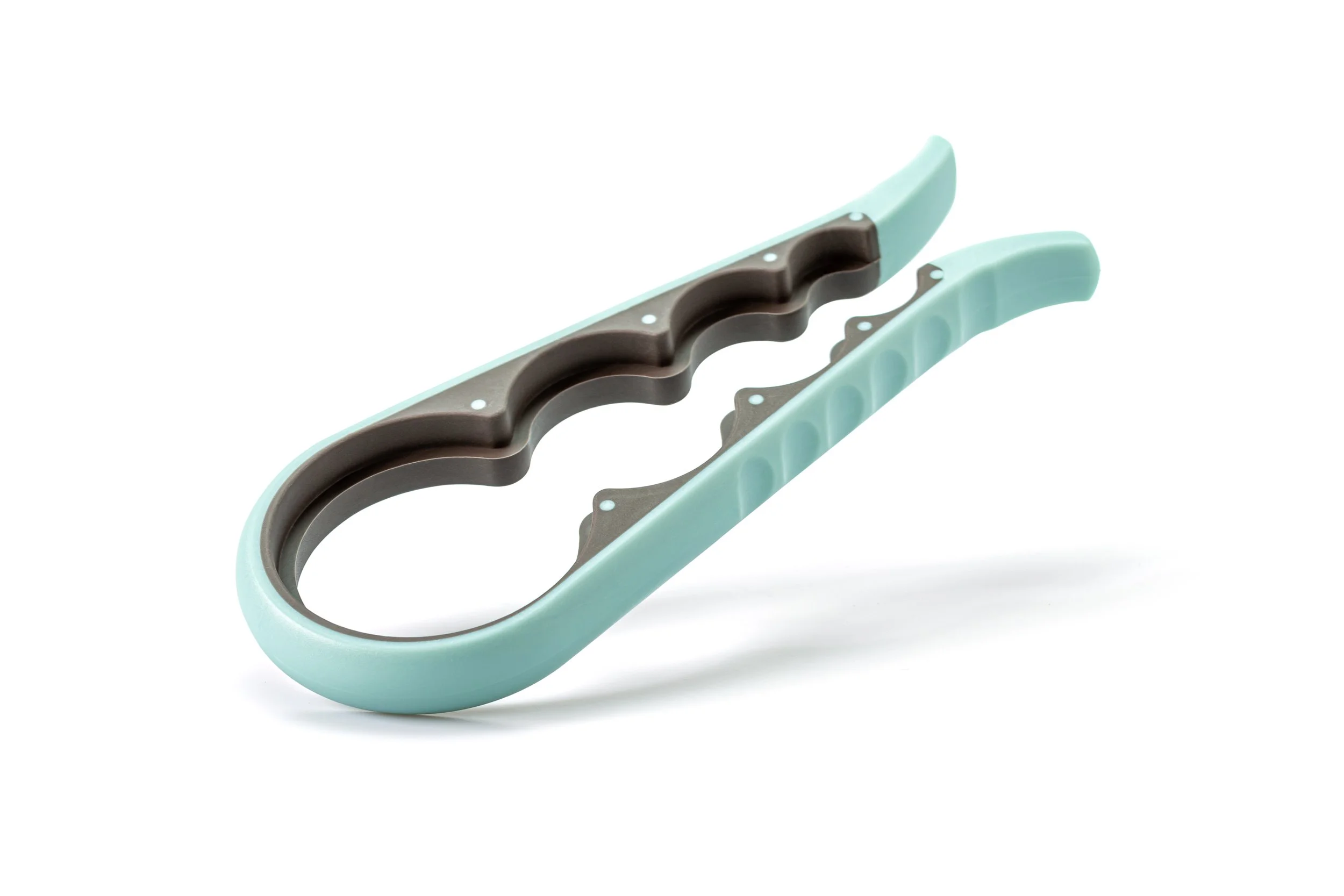
Jar openers
Key holders
Magnifiers
Examples of Low-Tech for Education
Reading strips
Pencil grips
Slant boards
When to Explore Low-Tech Assistive Technology?
Anytime! Low-tech assistive technology is often lower-priced than it’s high-tech counterpart and requires no or limited special tools.
Look around you and see what you already have nearby and think about how it could be used by someone with a disability to improve their functional capabilities.
A pencil grip can go over a straw to make it easier to hold.
A binder clip can hold book pages open so they don’t close while someone is reading.
A pool noodle- well a pool noodle can become so many things beyond a floating toy.
And sticky-notes… at least in my experience, there are no limits to the number of places a sticky note can come in handy.
FAQ
What is considered low-tech assistive technology?
Low-tech assistive technology is typically any assistive technology tool that does not require power or batteries in order to function.
What are the three levels of assistive technology?
Most assistive technology can be identified as either low/no-tech, mid-tech, or high-tech.
What is low-tech assistive technology for fine motor skills?
There are many low-tech tools that support fine motor skills. Some examples of low-tech assistive technology for fine motor skills include grabbers, pencil grips, and adaptive silverware/utensils.
What are some of the advantages to using low-tech equipment?
Low-tech assistive technology can be a great option because of its overall lower cost and its ease of use.