Using Assistive Technology to Improve Emotional Regulation in Convenient Ways
Inside: In today's fast-paced world, the need for effective emotional regulation strategies has never been greater. Assistive technology offers innovative solutions to help individuals better understand and manage their emotions. This blog post explores the various types of assistive technology that can enhance emotional regulation and improve quality of life.
You can feel the change in the room.
You aren’t altogether sure how to describe it, but you know something is wrong. No one has said a word, no one has moved. But somehow, you just know. Someone in this room feels overwhelmed, frustrated, or otherwise not ok.
Our senses are attuned to these types of changes in our environment. We notice when someone is feeling mad, sad, or frustrated. Many times, we notice this without taking the time to recognize who or what is wrong. We just know something is ‘off’.
This is how a parent knows when their toddler is getting ready to have a meltdown, and they better get to the check-out—now.
This is also how we can tell when our loved one is mad at us, and we really should figure out why.
It’s also how we can tell we may be in a situation where we’re unsafe because someone near us is in an unstable emotional state.
Each of these individuals, the toddler, the spouse, the person who is feeling emotionally not-ok is experiencing struggles with emotional regulation.
Table of Contents
What is Emotional Regulation?
Emotional regulation is the ability to manage and respond to an emotional experience in an adaptive way, and it is a crucial skill for maintaining mental health and overall well-being.
Children and adults develop strategies and skills for managing their emotions over time. In most instances, those skills and strategies work well, and individuals are able to respond to the situations around them in an appropriate manner.
Emotional regulation does not mean never feeling sad or mad or never showing your emotions.

What it does mean is responding in a reasonable or expected way to a situation being experienced. Crying is expected at a funeral, when someone is sick, or when they’re overwhelmed. More surprising would be that person screaming, hitting things, or sobbing in the middle of the grocery store.

When someone struggles with managing or regulating their emotions due to disabilities such as:
anxiety disorders
ADHD
autism spectrum disorder
bipolar disorder
or others, assistive technology may be able to help. [Learn more about assistive technology and how it’s defined here]
The Role of Assistive Technology to Improve Emotional Regulation
Assistive technology includes tools and devices designed to help individuals manage their emotional states. Some of these tools can provide real-time feedback, track emotional patterns, and offer personalized strategies to help users feel confident when navigating their emotions.
Types of Assistive Technology to Improve Emotional Regulation
A. Wearable Devices
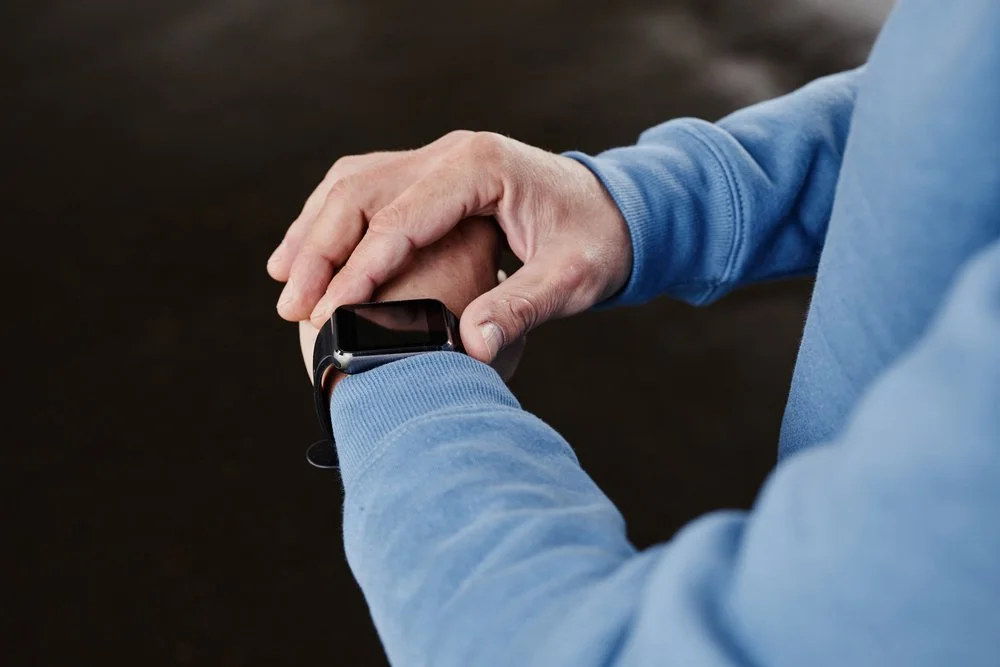
Wearable devices like smartwatches and biofeedback tools are becoming more and more popular for emotional regulation. These devices monitor physiological signals like heart rate, skin conductance, and breathing patterns, providing users with real-time data on their emotional state.
For example, the Apple Watch can track heart rate. This can be linked to stress and anxiety levels.
Wearable devices are also sold, such as the watch by Awake Labs, which allow caregivers to monitor the emotional escalation level of individuals in their care so they can intervene to help offer support.
B. Mobile Apps
Mobile apps are among the most accessible forms of assistive technology for emotional regulation.
Mindfulness and meditation apps such as Headspace and Calm offer guided sessions to help users manage stress and anxiety.
Emotion tracking apps like the built-in iOS mindfulness app allow users to:
Log their emotions
Identify patterns
Gain insights into their emotional health

These apps often include features like:
Mood journals
Daily reflections
Recommendations for emotional health
D. Extensions
Browser extensions are available to work within your web browser to help you manage your emotions.
Some extensions offer tools to remind you to get up and move- such as Move-It. Other extensions provide background noises to help calm your mind. Some good background noise extensions are Noisli and Momentum. Momentum also offers a screen with each new tab which allows you to set your focus for the day and offers positive reminders.
Benefits of Assistive Technology in Emotional Regulation
The benefits of using assistive technology for emotional regulation are numerous. These tools can improve self-awareness and help individuals understand their emotional triggers and responses.
Real-time feedback and immediate support allow users to address emotional challenges as they arise. The convenience and accessibility of these tools make them a practical addition to everyday life.
Challenges and Considerations
While assistive technology offers many benefits, there are also challenges and considerations to consider. Privacy and data security can be a concern, as these tools often collect sensitive emotional and physiological data. Understanding this is important if the tool you’re using is collecting data, and who has access to this.
Another important thing to note is: these assistive technology tools will only offer support if they’re available where the user is most often experiencing difficulties with emotional regulation.
With assistive technology for emotional regulation, it is important to evaluate how portable the tool is and if it can travel with the user.

For example, if an individual struggles the most with emotional regulation in front of their computer, a browser extension may be extremely beneficial. If an individual struggles with emotional regulation on the city bus, a browser extension is not assured to be helpful.
Future Trends in Assistive Technology for Emotional Regulation
The future of assistive technology for emotional regulation is promising, with emerging technologies and innovations on the horizon.
Integrating assistive technology into everyday life, such as smart home devices and wearables will become more seamless, making emotional regulation support more accessible.
Conclusion
Assistive technology has the potential to significantly improve emotional regulation and overall mental health for individuals with disabilities. These same tools are certain to help anyone looking for additional support to manage their emotions.
The next time you walk into a room and notice that “something is wrong” feeling, take the time to look around and notice who may be struggling. When things are calm again, it may be time to offer support.
And who knows, you might discover times when you could benefit from some of these tools to manage your own emotional regulation.