
Introduction to Low-Tech Assistive Technology
Writing is a fundamental skill that involves fine motor coordination, spatial awareness, and executive functioning. For many students, physical and cognitive challenges can make handwriting difficult. While high-tech solutions like speech-to-text software and specialized keyboards exist, low-tech assistive technology (AT) tools are often more accessible, affordable, and effective.
Low-tech AT tools are simple modifications or adaptations that enhance grip, letter formation, alignment, and overall comfort while writing. They don’t require batteries, charging, or software, making them easy to integrate into any learning environment.
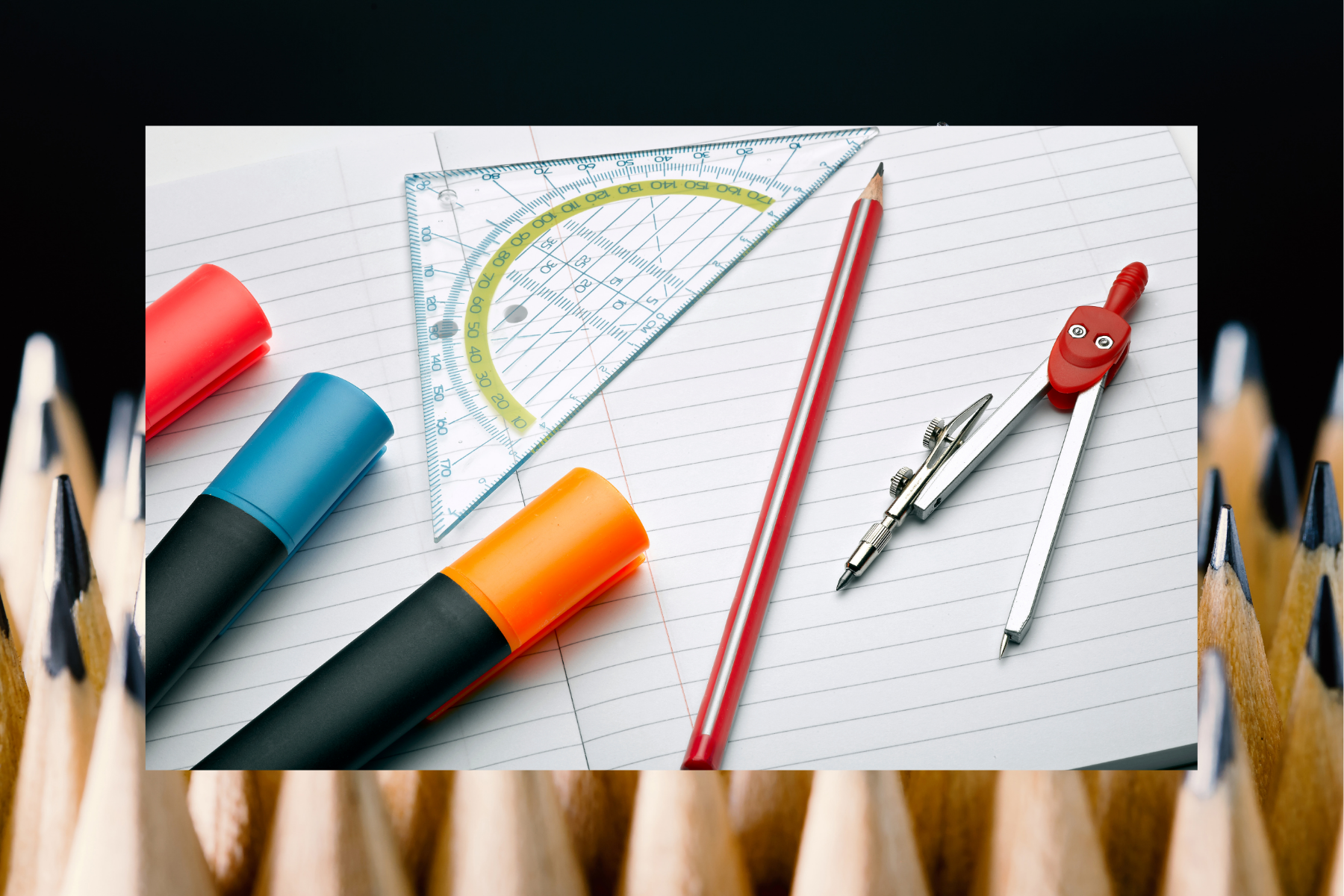
Quick List of Low-Tech Writing Tools
Pencil Grips – Aid in proper finger positioning and grip control
Non-Slip Mat – Stabilizes paper to prevent shifting while writing
Slant Board – Improves posture and hand positioning by providing an angled writing surface
Brightline/Colored Paper – Enhances visual tracking and line alignment through alternating colors
Raised Line Paper – Offers tactile feedback for letter placement guidance
LegiLiner – A rolling ink stamp that creates writing lines on blank paper
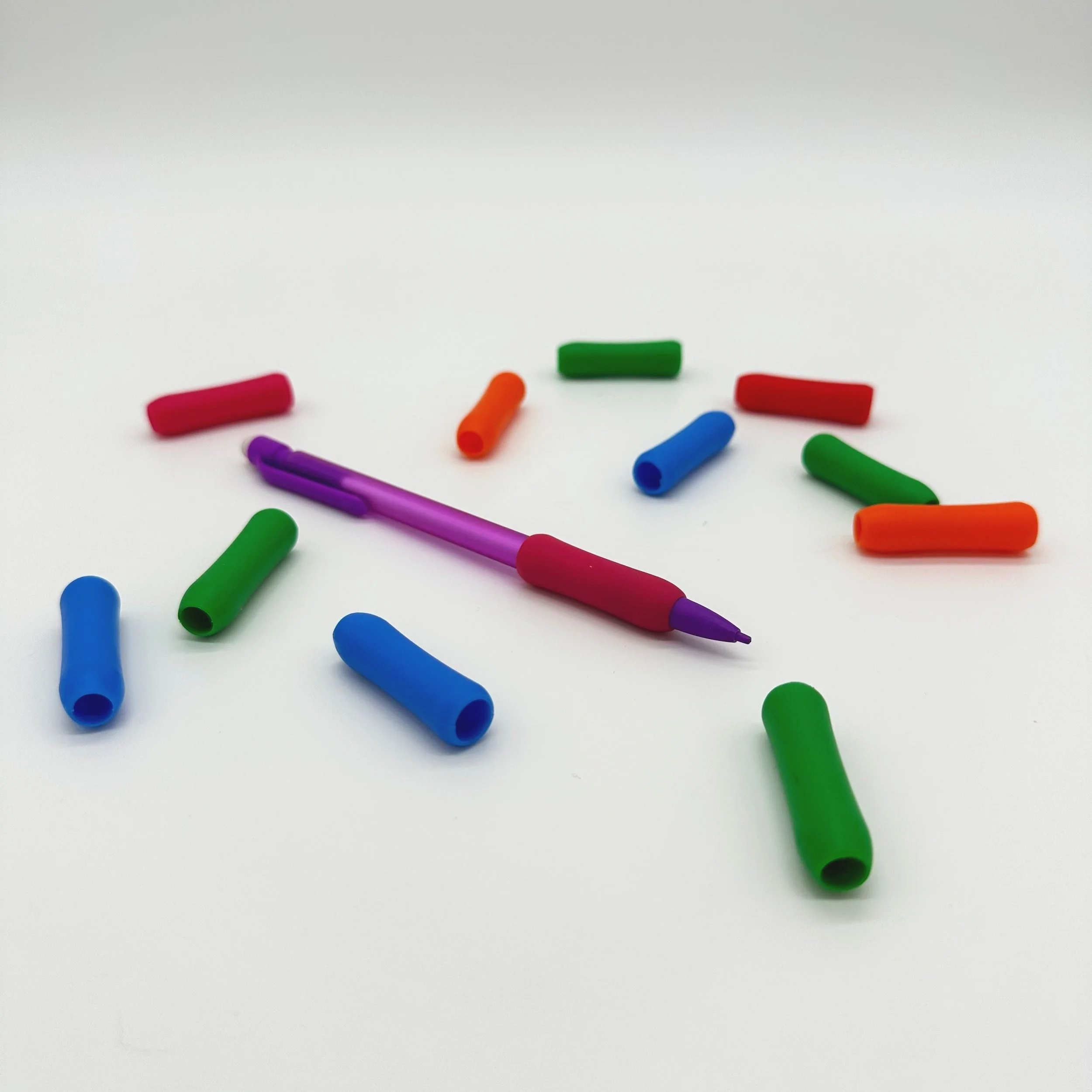
Pencil Grips
What It Does: Pencil grips come in various shapes and sizes to encourage correct finger placement and reduce hand fatigue. They help students maintain a comfortable and controlled grip, improving handwriting legibility.
Who Benefits:
Students with weak fine motor skills
Individuals with dyspraxia or arthritis
Early writers learning proper grip techniques
Non-Slip Mat
What It Does: A non-slip mat stabilizes paper or the writing surface, preventing it from sliding while a student writes. This allows students to focus on letter formation without frustration from shifting paper.
Who Benefits:
Students with motor coordination difficulties
Individuals who apply light pressure while writing
Anyone who struggles to keep paper in place
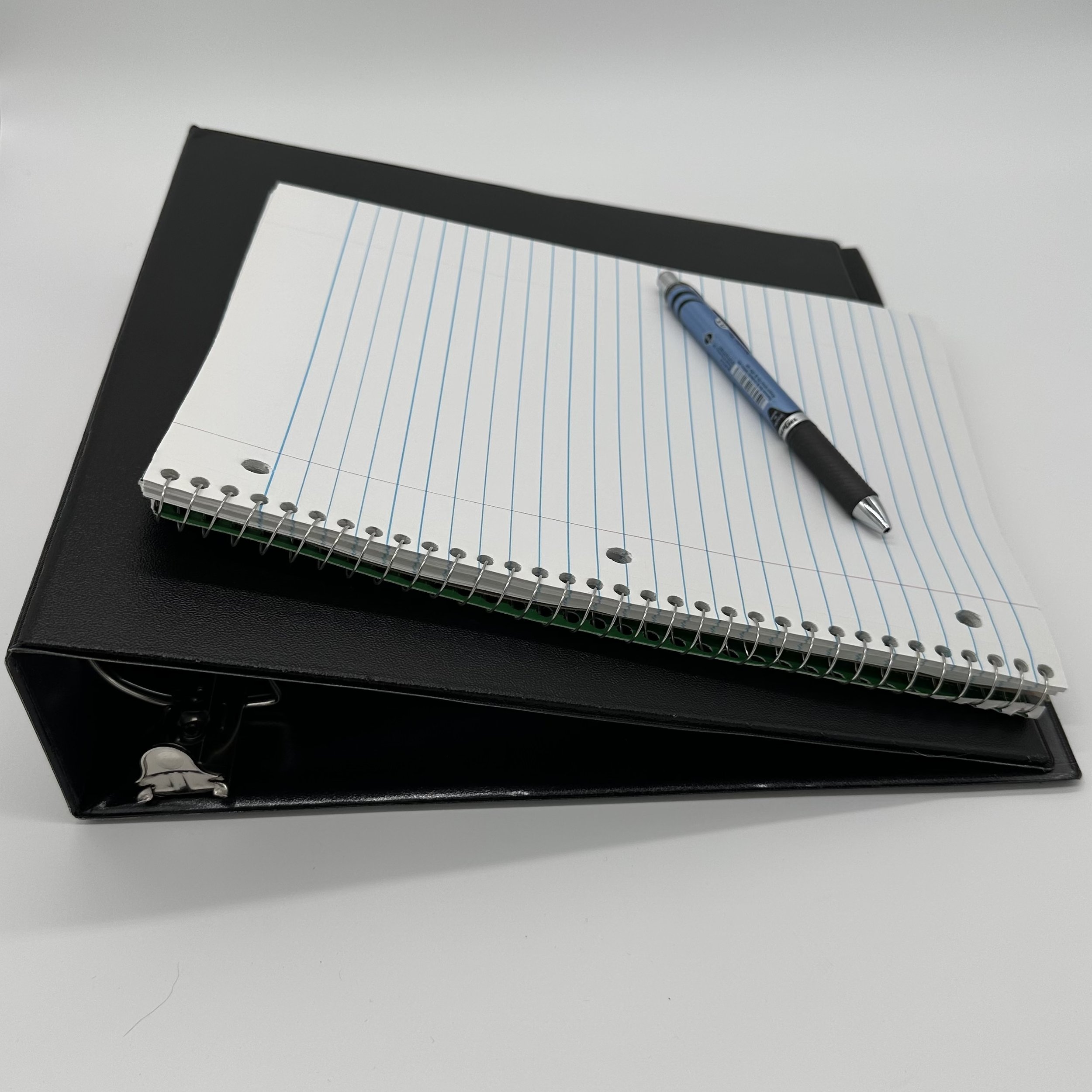
Slant Board
What It Does: A slant board positions paper at an optimal ergonomic angle, promoting better posture and wrist positioning. This can enhance handwriting speed, comfort, and alignment.
Who Benefits:
Students who struggle with wrist positioning
Individuals with poor posture or hand fatigue
Writers experiencing discomfort on flat surfaces
Brightline/ Colored Paper
What It Does: Brightline or colored paper features alternating light and dark rows to guide students’ writing. This contrast supports visual tracking and line alignment, making writing more structured.
Who Benefits:
Students with dyslexia or visual processing challenges
Writers struggling with consistent letter size and spacing
Individuals who have difficulty with handwriting organization
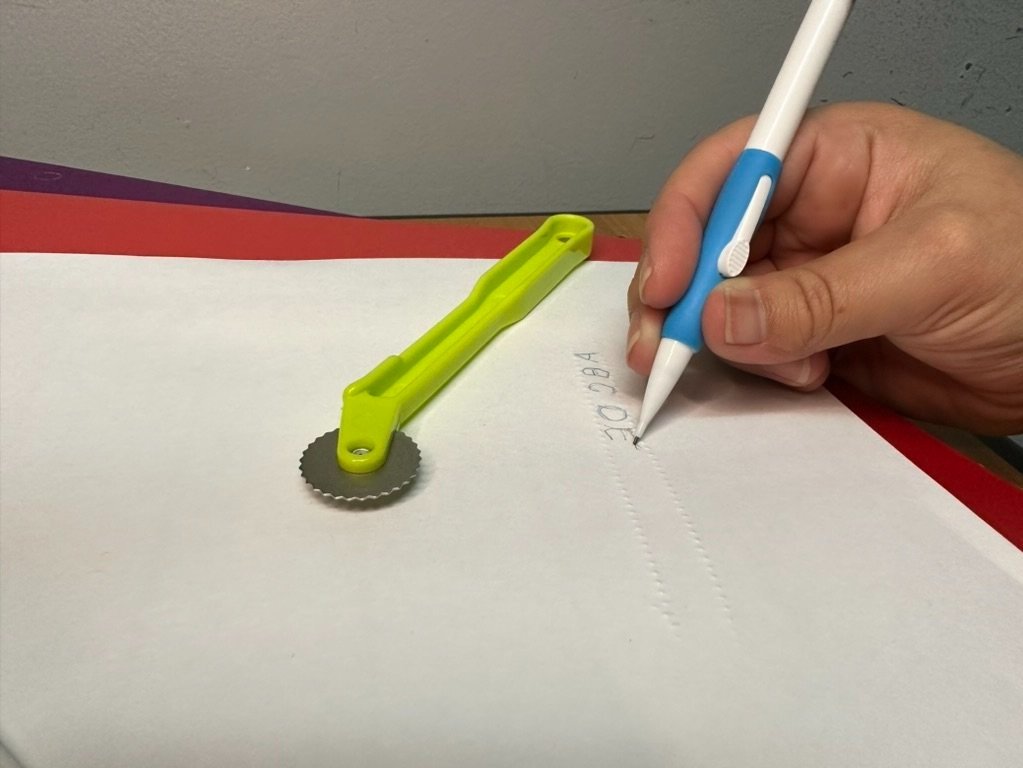
Raised Line Paper
What It Does: Raised line paper provides tactile feedback, helping students keep their writing within designated spaces. The raised lines act as boundaries, improving letter placement.
Who Benefits:
Students with spatial awareness difficulties
Individuals with poor handwriting alignment
Early writers developing letter formation skills
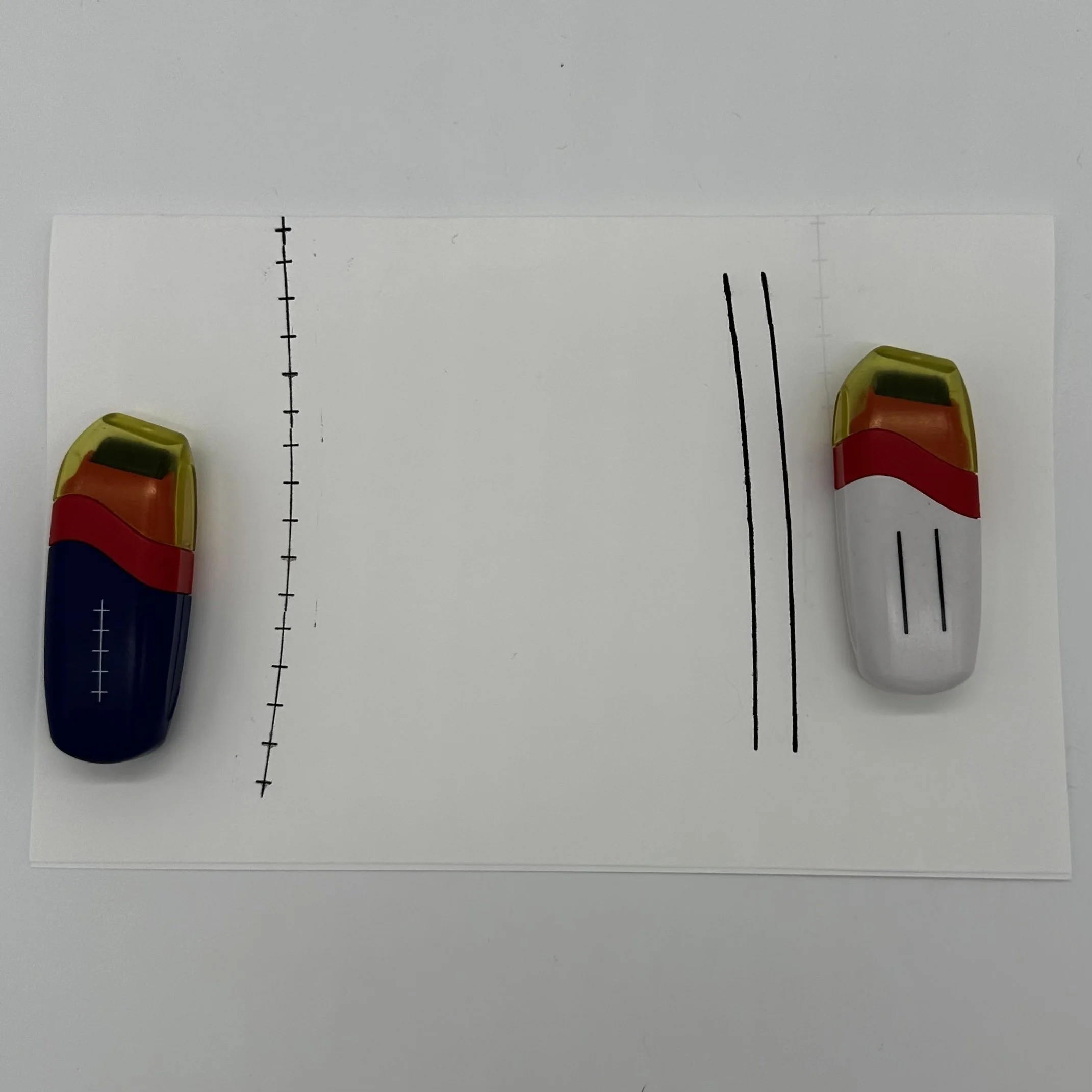
LegiLiner
What It Does: The LegiLiner is a rolling ink stamp that creates evenly spaced writing lines on blank paper. It allows for quick, on-the-go customization, making it an ideal tool for structured writing practice.
Who Benefits:
Teachers and therapists working on handwriting improvement
Students needing additional guidance for letter placement
Writers who benefit from structured line spacing