

Page fluffers make book pages easier to turn for readers with limited hand mobility, chronic pain, or low vision. A simple, low-cost assistive technology tool.

Practical tools and strategies for executive function and self-regulation that help adults and students manage stress, routines, and days that go sideways.

ADHD greatly impacts a person's executive functioning system. Assistive technology can help support the areas where the individual is struggling.

Use Guided Access on iPad to lock it into one app, set time limits, and turn off touch areas so students and kids stay where you want them.

Inside: Learn about how iOS accessibility features support independence in the use of iPhones and iPads for students and adults.

Six free, easy browser extensions that support emotional self-regulation and make time on the computer calmer and less stressful for students and adults.
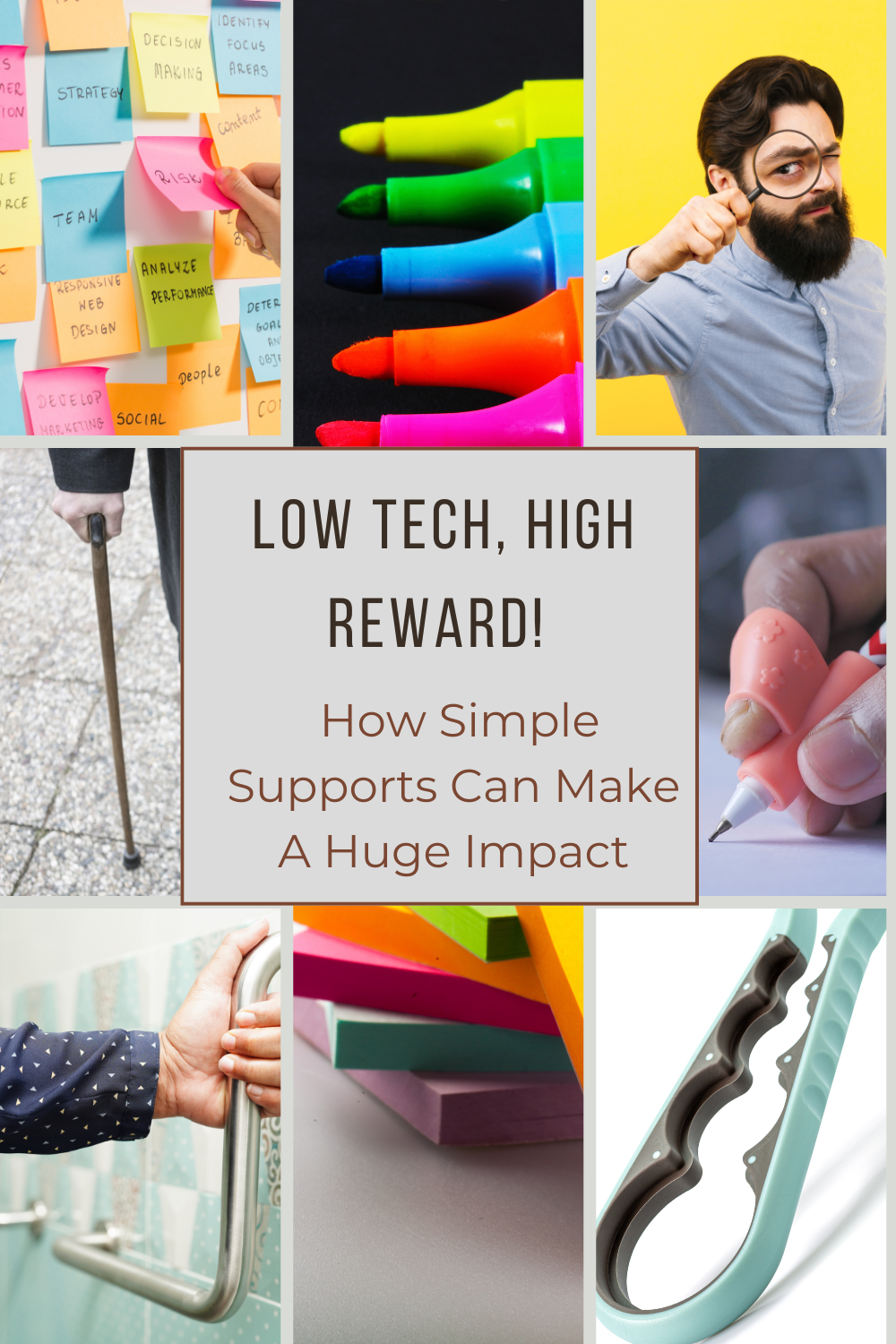
Learn about the differences between low-tech and high-tech assistive technology and when it is beneficial to consider low-tech assistive technology first.

How assistive technology supports emotional regulation, with tools that help students and adults recognize, understand, and manage their emotions.

Assistive technology vs information technology: how they differ, why low-tech tools still count as AT, and how schools and workplaces can use both together.

Staying on task and adapting through the day can be limiting for people of all ages and abilities, especially in a classroom setting. Supports for executive functioning described in this article can be utilized to relieve pressure on students and teachers, helping them to be their best every day.

How assistive technology helps students with disabilities gain independence, feel successful, and make academic progress, with fewer classroom disruptions.